Living in West Richland WA
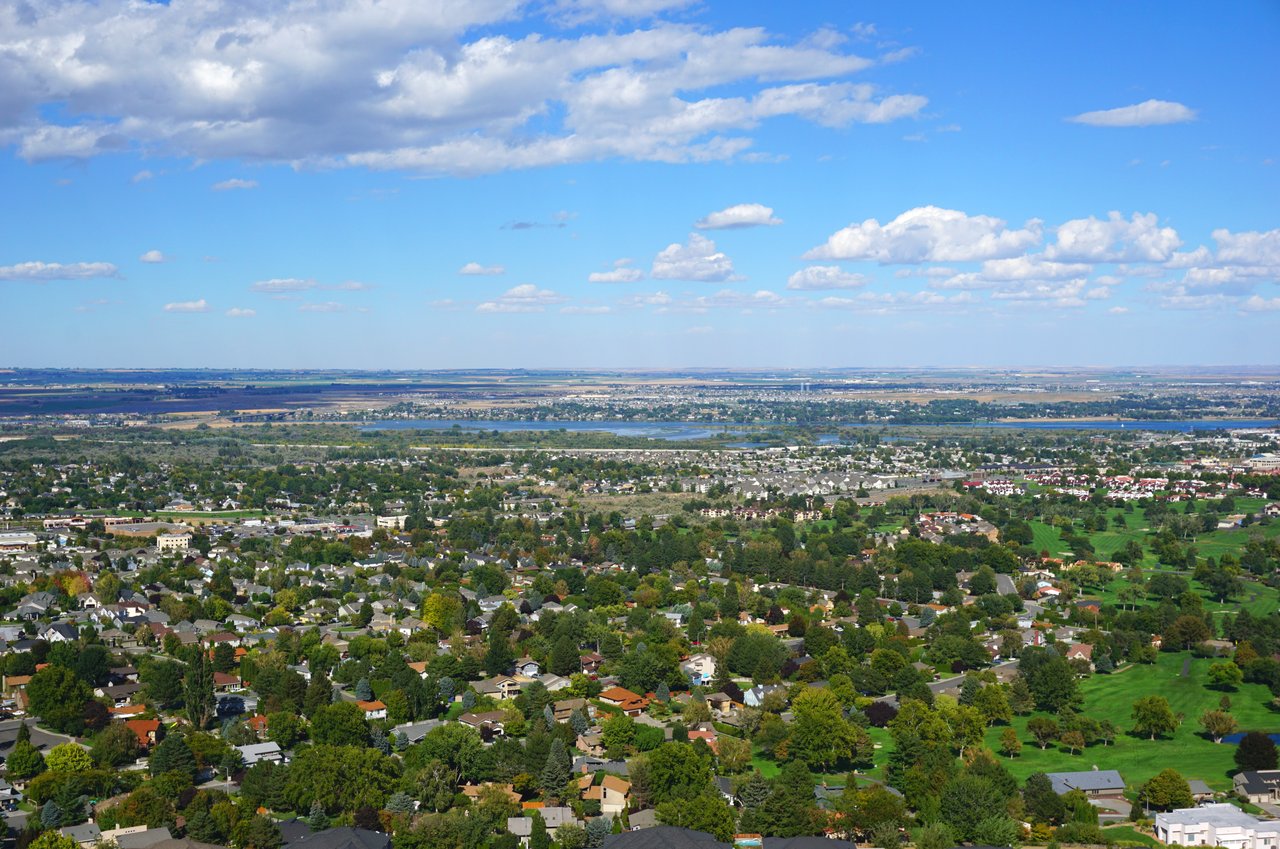
West Richland is a small but fast-growing city located in Benton County in southeastern Washington. With a population of roughly 17,000 to 20,000 residents, the city is considered part of the greater Tri-Cities region alongside Kennewick, Richland, and Pasco.
Although West Richland is its own city, many residents work throughout the Tri-Cities. Commutes to major employers in Richland, Kennewick, or Pasco are typically short, often around 10 to 20 minutes, depending on location.
For buyers relocating to the area, West Richland often stands out for its quieter suburban feel, larger properties, and strong sense of community.
Understanding the Tri-Cities Region
The Tri-Cities refers to the connected communities of Kennewick, Richland, and Pasco. West Richland sits just outside this core but functions as part of the same metropolitan area.
Residents frequently commute across city lines for work, recreation, and shopping. Many professionals working at the Hanford Site, Pacific Northwest National Laboratory, or Kadlec Regional Medical Center live in West Richland while working in nearby Richland.
This regional connectivity is one of the reasons the Tri-Cities continues to attract relocation buyers from across Washington and other parts of the country.
Why People Move to West Richland WA
West Richland has grown significantly over the past two decades. The city’s population has increased by roughly 65% since 2000 as more people discover the lifestyle offered in the Tri-Cities region.
Buyers often choose West Richland because it offers:
• larger homes and lot sizes
• quiet residential neighborhoods
• highly rated schools in the Richland School District
• proximity to major regional employers
• easy access to outdoor recreation
Families appreciate the suburban feel and safe neighborhoods, while professionals working in research, healthcare, or energy industries value the short commute times to job centers in nearby Richland.
Remote workers have also begun relocating to West Richland, drawn by the area’s affordability compared with larger West Coast cities and the region’s reliable internet infrastructure.
Lifestyle in West Richland
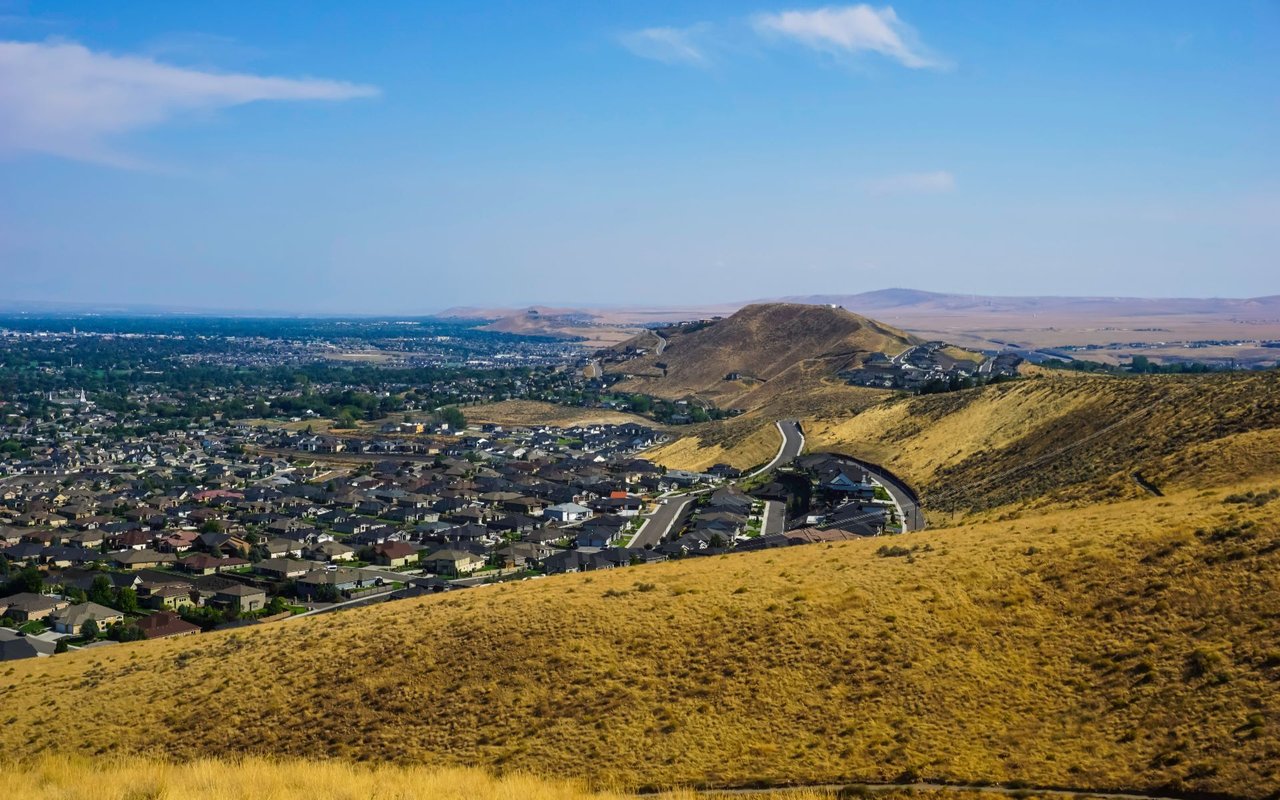
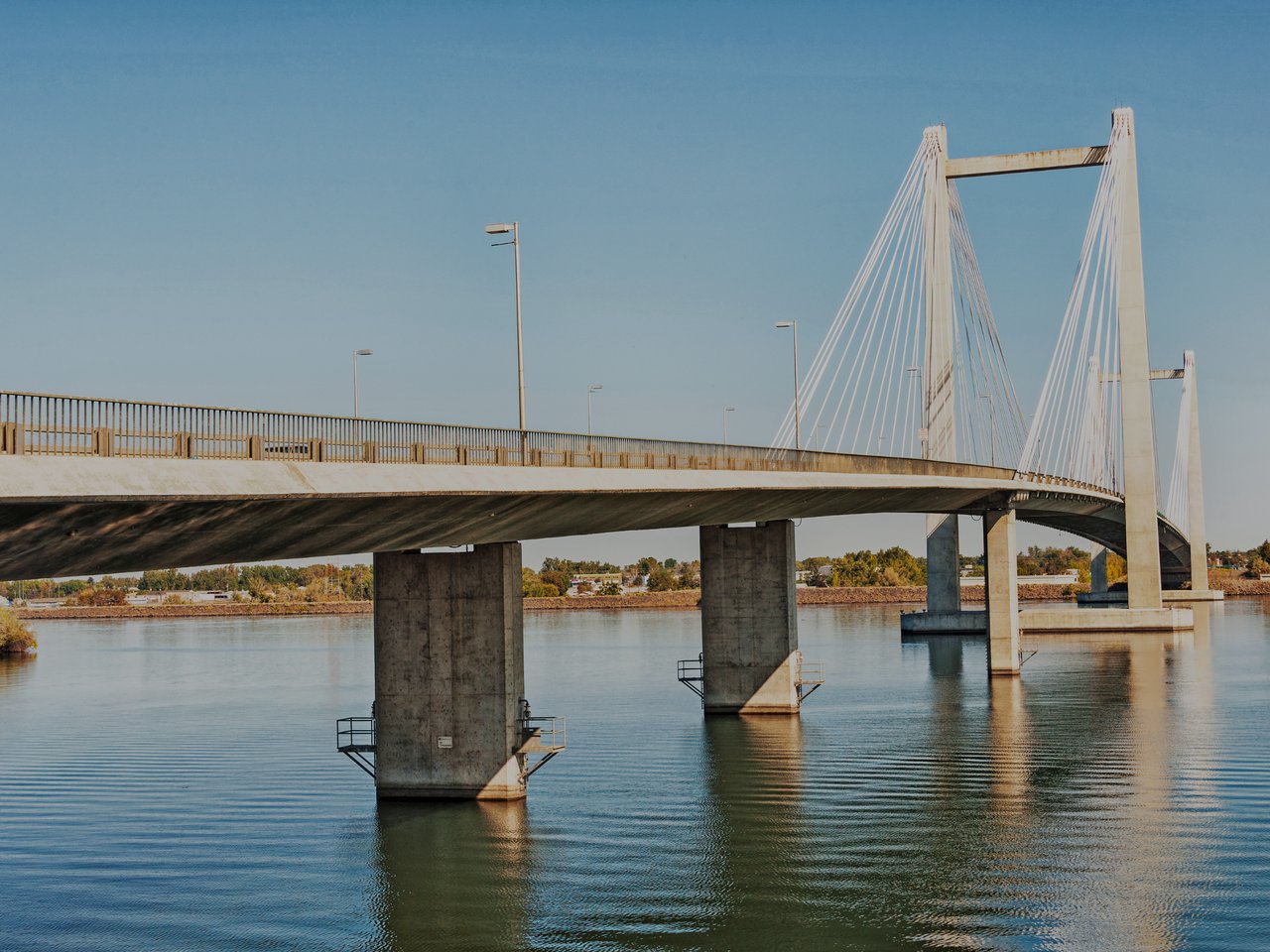
Life in West Richland is closely connected to the outdoors. The city sits along the Yakima River and near the foothills of Red Mountain, giving residents easy access to parks, trails, and open landscapes.
Flat Top Park and the Bombing Range Sports Complex are two of the most popular community gathering spaces. These parks host youth sports, community events, concerts, and outdoor recreation throughout the year.
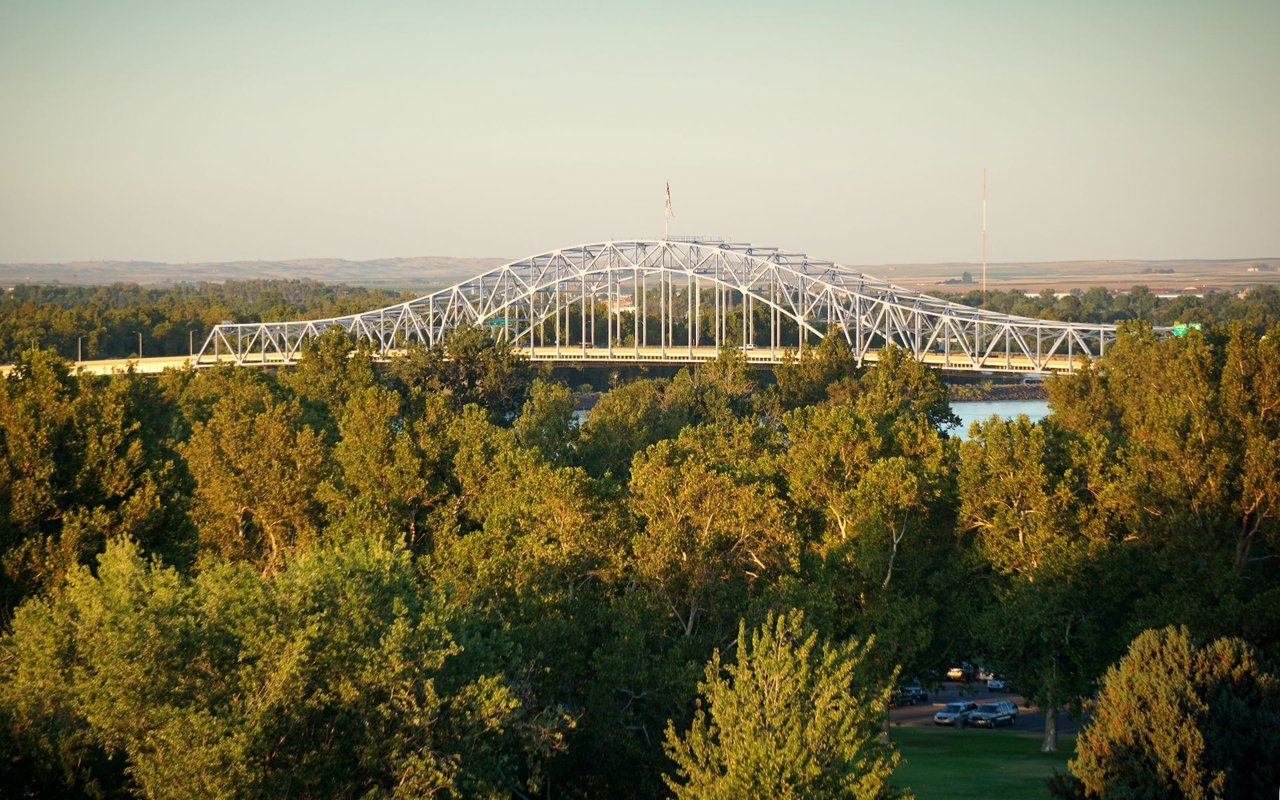
The Yakima River also provides opportunities for fishing, kayaking, and riverside walking trails.
West Richland is located at the gateway to the Red Mountain wine region, one of Washington’s most respected wine-producing areas. Wineries and tasting rooms are located just minutes away, making wine tasting a popular weekend activity for residents.
Community events play an important role in local culture. Residents gather throughout the year for events such as summer concerts, the Hogs ‘n Dogs family festival, the Harvest Festival, farmers markets, and holiday celebrations.
Climate and Weather
Like the rest of the Tri-Cities, West Richland has a dry desert climate with abundant sunshine. Summers are warm and sunny, often reaching the 90s, while winters are generally cool with occasional frost but relatively little snowfall.
The area receives only about eight inches of rainfall each year and enjoys roughly 300 days of sunshine, which makes outdoor recreation possible throughout most of the year.
West Richland WA Real Estate Market
West Richland has become one of the more desirable housing markets within the Tri-Cities region.
As of early 2026, the median home price in West Richland is roughly $489,000, making it slightly higher than nearby Kennewick, Richland, or Pasco.
Homes typically spend about 60 to 70 days on the market depending on price range and location. Nearly half of homes sell above asking price, indicating continued buyer demand in the area.
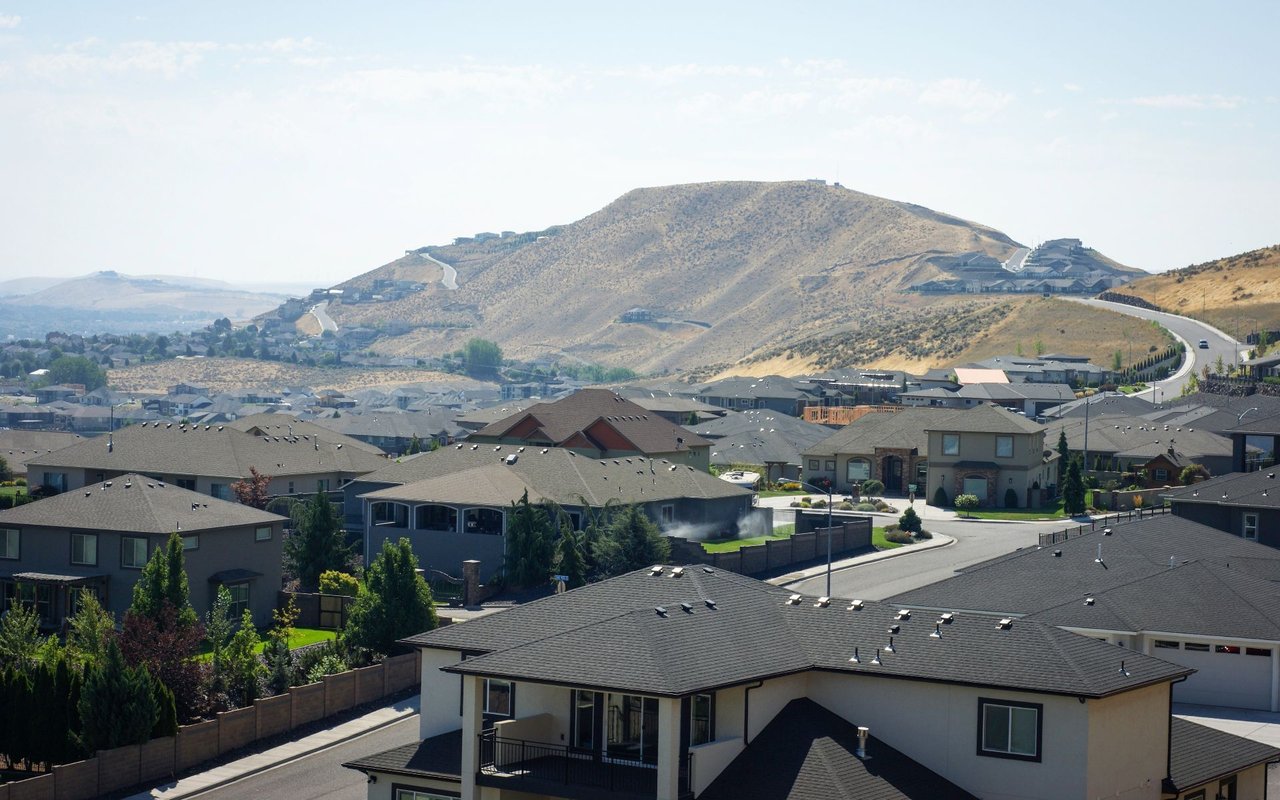
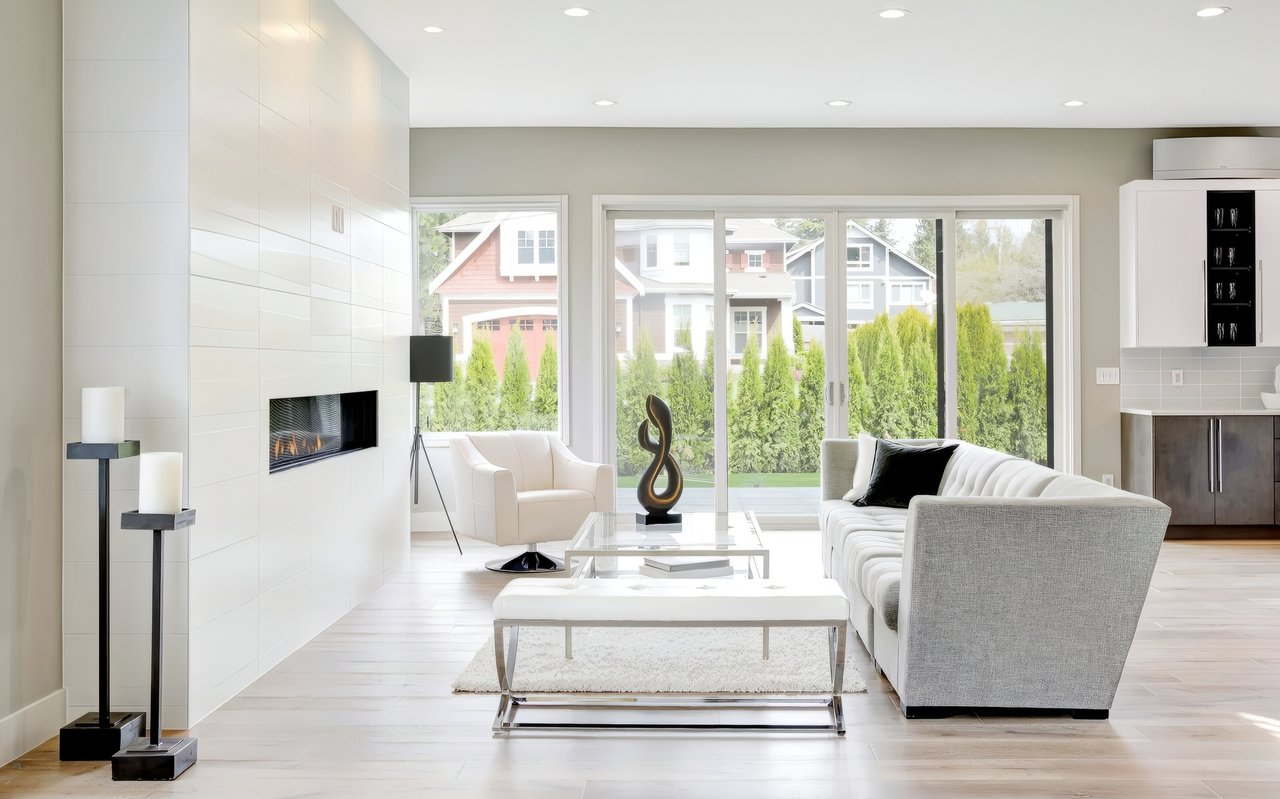
The city is known for its newer residential developments and larger properties compared to other Tri-Cities communities. Many homes feature larger yards, modern construction, and quiet residential streets.
Housing options range from established neighborhoods with mid-size homes to custom homes on acreage and hillside developments with scenic views.
Neighborhoods in West Richland
West Richland includes several distinct residential areas, each offering its own lifestyle and housing style.
The Bombing Range and Flat Top areas are popular with families due to their proximity to parks, sports fields, and neighborhood schools. Homes here are typically built between the 1970s and early 2000s and often sit on quarter-acre lots.
Sunset Ridge and Belmont Hills feature newer hillside homes with larger floorplans and views of the surrounding valley. These neighborhoods tend to include custom homes and larger properties.
Western areas of the city include rural properties and horse-friendly acreage homes. Buyers looking for privacy or space often explore these parts of West Richland.
Near the Richland border, established neighborhoods provide convenient access to shopping, employment centers, and regional amenities while still maintaining the quieter suburban atmosphere the city is known for.
Is West Richland WA a Good Place to Live?
Many residents consider West Richland one of the most family-friendly communities in the Tri-Cities region. The city combines safe neighborhoods, strong schools, and easy access to parks and outdoor recreation.
Families appreciate the suburban environment and larger homes, while professionals working throughout the Tri-Cities enjoy the short commute times and access to regional employers.
Retirees are also drawn to West Richland for its quiet neighborhoods, sunny climate, and proximity to golf courses, wineries, and outdoor recreation.
Buying or Selling a Home in West Richland
If you’re considering buying or selling a home in West Richland, understanding the local housing market is an important first step.
As a Tri-Cities local real estate expert, Alessandra Dearing works with buyers and sellers throughout West Richland, Richland, Kennewick, and Pasco. Her experience with the regional housing market helps clients navigate neighborhoods, pricing strategies, and relocation decisions.