Living in Richland WA
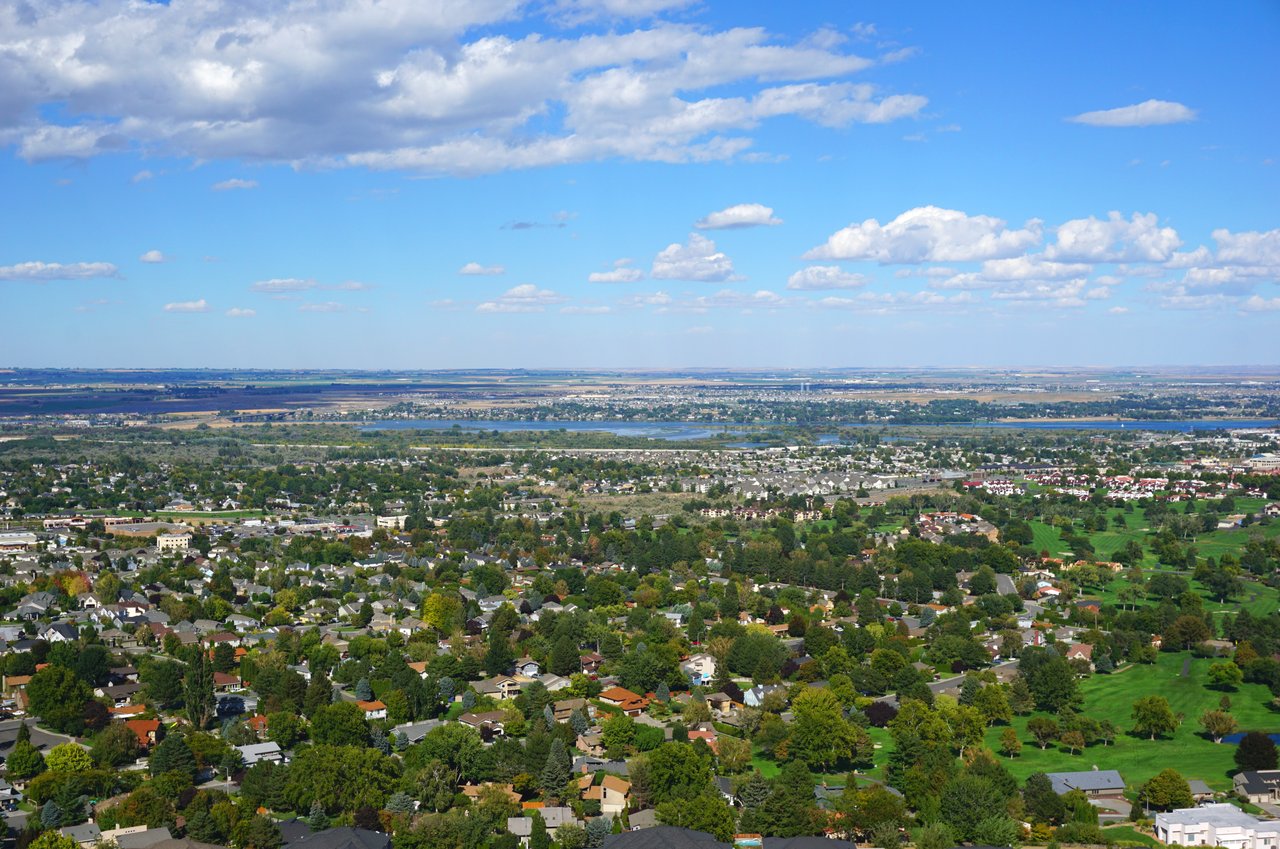
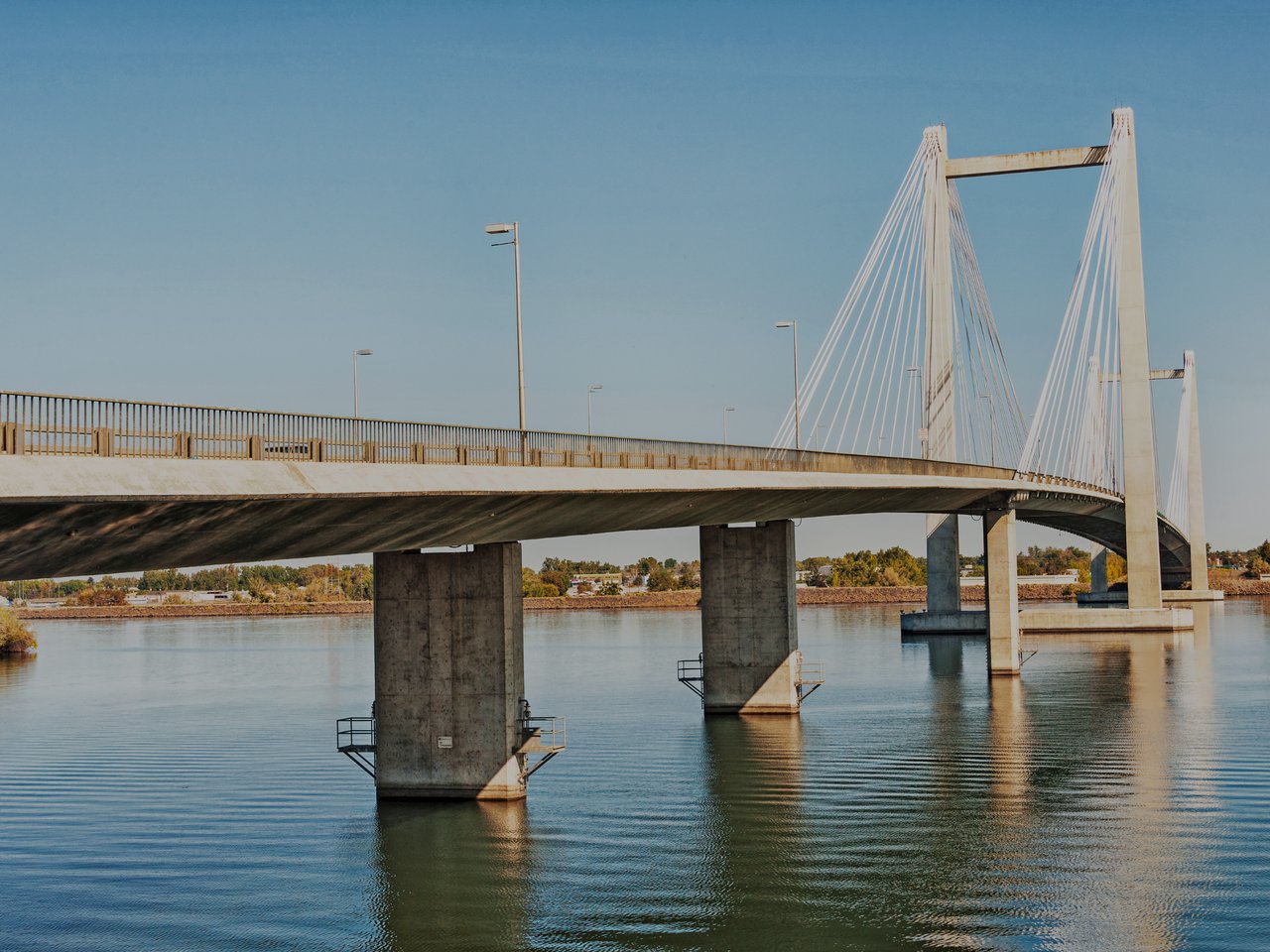
Richland is one of the three cities that make up Washington’s Tri-Cities region, along with Kennewick and Pasco. Located in Benton County along the Columbia River, Richland has developed into one of the most desirable communities in southeastern Washington.
Many people moving to the Tri-Cities first discover Richland because of its strong job market, highly rated schools, and scenic riverfront parks. The city offers a balance of suburban neighborhoods, outdoor recreation, and growing economic opportunities.
For buyers researching homes for sale in Richland WA, the city often stands out for its access to major employers, beautiful neighborhoods, and an active outdoor lifestyle.
Understanding the Tri-Cities Region
Richland is part of the Tri-Cities metropolitan area, which includes Kennewick, Pasco, and Richland. Together, these three cities form one connected community with a regional population of more than 200,000 people.
Although each city has its own character, residents regularly live in one city and work in another. Many professionals working in Richland’s research and energy sectors commute from Kennewick or Pasco, while Richland residents may also work throughout the Tri-Cities.
This interconnected regional economy is one of the reasons the Tri-Cities continues to grow as more people relocate to Eastern Washington.
Why People Move to Richland WA
Richland attracts many new residents because of its stable economy, quality of life, and access to outdoor recreation.
One of the city’s largest economic drivers is the Pacific Northwest National Laboratory (PNNL), which employs thousands of scientists, engineers, and researchers. The nearby Hanford nuclear site also supports a large workforce focused on environmental cleanup and energy projects.
In addition to the science and energy sectors, healthcare, agriculture, and education play important roles in the local economy. Washington State University Tri-Cities and Columbia Basin College provide higher education opportunities and contribute to the region’s research and innovation environment.
These industries help create a stable job market that continues to attract professionals and families to the area.
Lifestyle in Richland
Life in Richland centers around outdoor recreation, community events, and the natural beauty of the Columbia River.
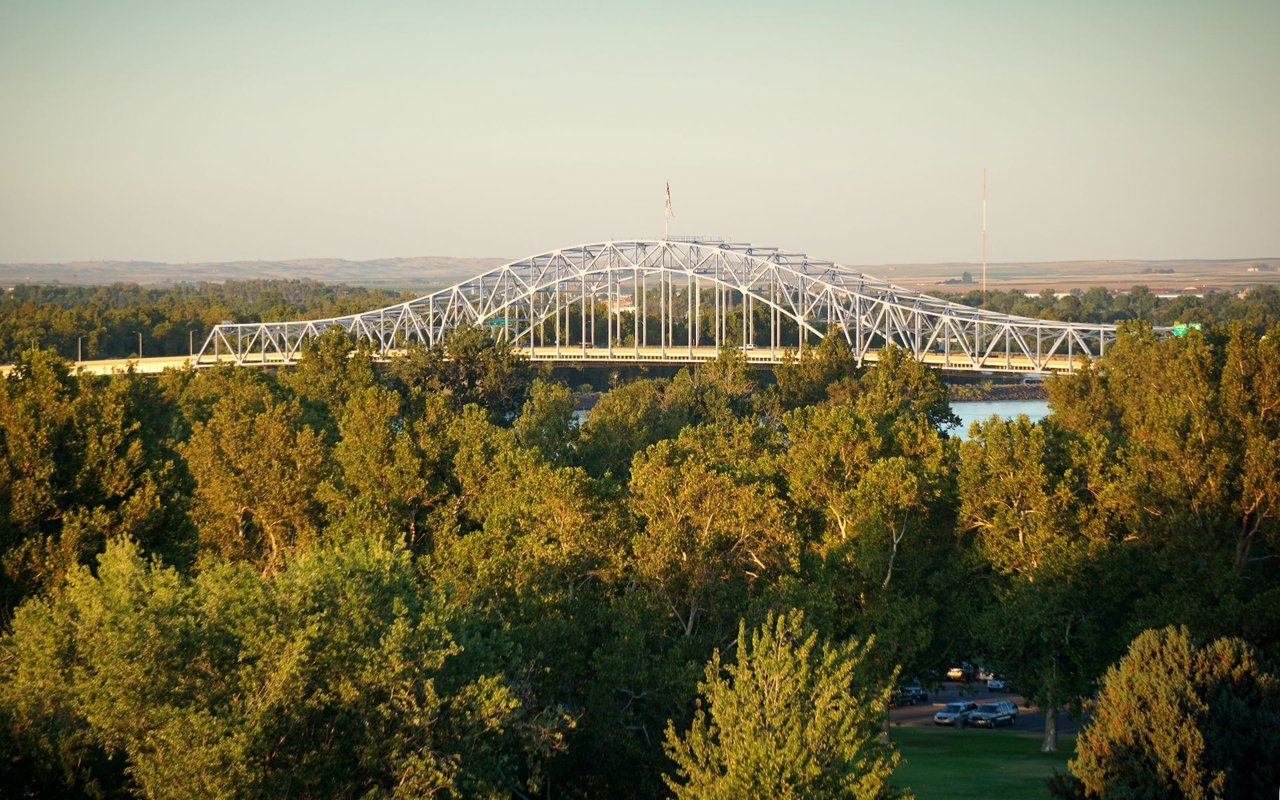
The city features miles of riverfront parks and trails that connect neighborhoods throughout the region. Howard Amon Park is one of the most popular destinations in the Tri-Cities, offering river views, walking paths, playgrounds, and community events throughout the year.
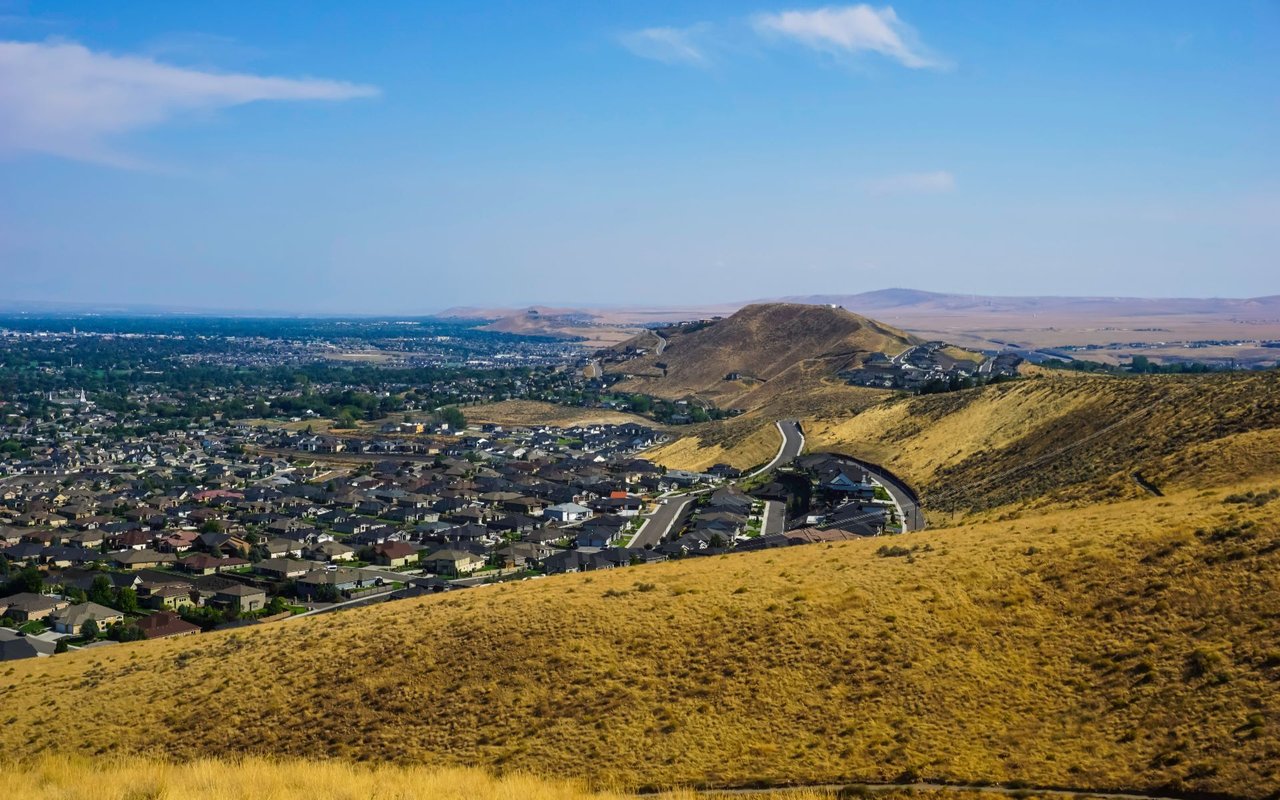
Residents also enjoy easy access to hiking areas such as Badger Mountain, where trails provide panoramic views of the Columbia Basin.
The Tri-Cities region is known for its sunny climate and dry weather. Summers are warm and sunny, while winters are generally mild compared to many other parts of Washington. This climate allows residents to enjoy outdoor activities nearly year-round.
Richland is also located near the heart of Washington wine country. Dozens of wineries and tasting rooms can be found within a short drive, making wine tasting a popular weekend activity for residents and visitors.
Richland WA Real Estate Market
The Richland housing market offers a mix of established neighborhoods, new construction communities, and waterfront properties along the Columbia River.
As of early 2026, median home prices in Richland typically range from approximately $435,000 to $460,000 depending on market conditions and neighborhood demand.
Compared with nearby cities in the Tri-Cities, Richland often commands slightly higher home prices because of its proximity to major employers, scenic neighborhoods, and well-regarded schools.
Homes in Richland typically spend about 60 to 80 days on the market, though desirable neighborhoods and updated properties may sell more quickly.
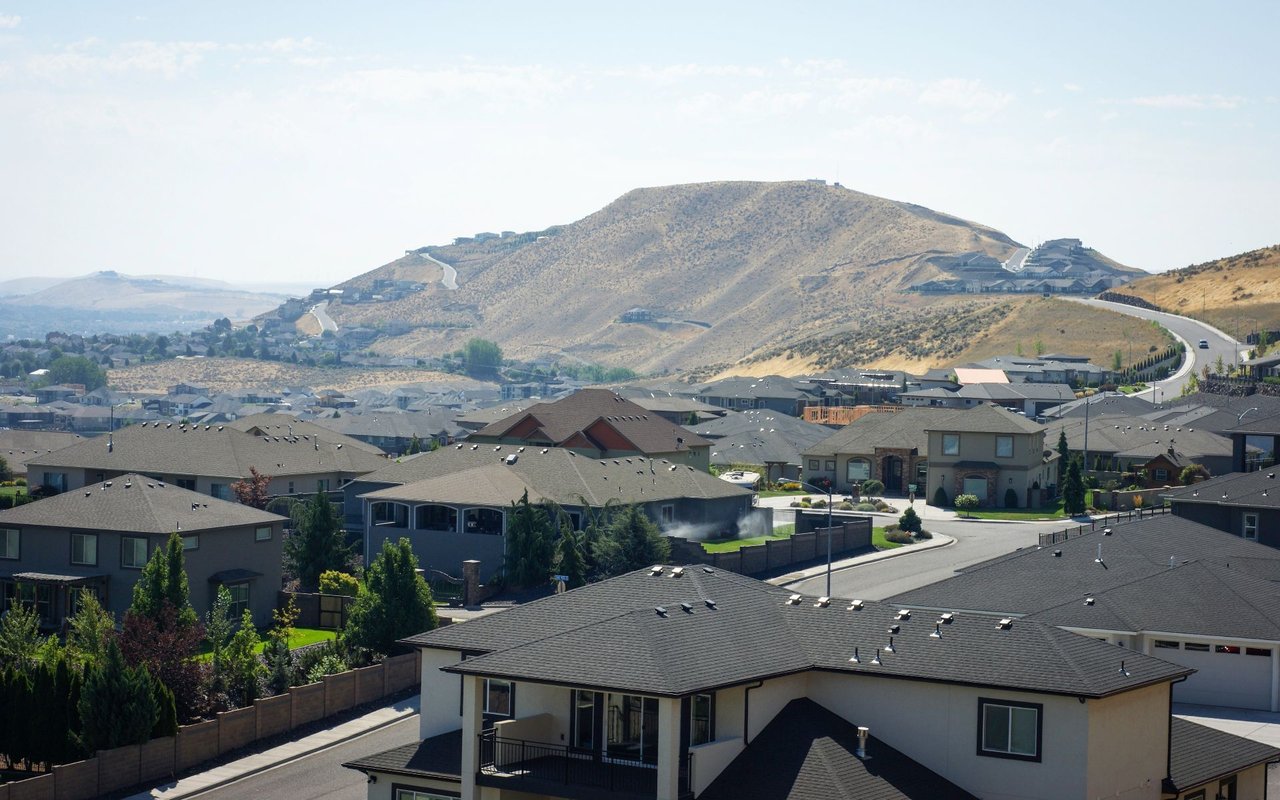
New construction communities continue to expand throughout areas such as Badger Mountain and South Richland, where builders are developing modern homes designed for families relocating to the region.
Richland Neighborhoods to Explore
Richland offers a variety of neighborhoods that appeal to different lifestyles and housing preferences.
Badger Mountain is one of the most popular areas for newer construction homes. These hillside communities offer scenic views, modern homes, and easy access to hiking trails.
Horn Rapids and Quail Ridge are newer developments in South Richland featuring larger homes, family-friendly neighborhoods, and community amenities such as parks and pools.
North Richland and Columbia Point feature riverfront living with access to waterfront parks, golf courses, and restaurants. This area includes some of the most scenic neighborhoods in the city.
Central Richland includes established neighborhoods closer to the city center with homes built in the mid to late twentieth century. These areas offer convenient access to schools, shopping, and local amenities.
South Richland includes larger homes and newer developments near major transportation routes connecting the Tri-Cities.
Is Richland WA a Good Place to Live?
Richland is often considered one of the most desirable communities in the Tri-Cities because of its strong economy, outdoor recreation opportunities, and family-friendly neighborhoods.
The city offers a high quality of life with access to parks, trails, good schools, and regional employers. Many professionals working in science, energy, and healthcare choose Richland because of its proximity to research campuses and business centers.
Families appreciate the city’s safe neighborhoods and community-oriented lifestyle, while retirees are drawn to the warm climate and relaxed pace of life.
Because Richland is centrally located within the Tri-Cities, residents also benefit from easy access to everything the region has to offer.
Buying or Selling a Home in Richland
If you are considering buying or selling a home in Richland, understanding the local housing market is an important first step.
As a Tri-Cities local real estate expert, Alessandra Dearing works with buyers and sellers throughout Richland, Kennewick, and Pasco. Her local knowledge helps clients navigate neighborhoods, pricing strategies, and relocation decisions within the Tri-Cities market.