Living in Pasco WA
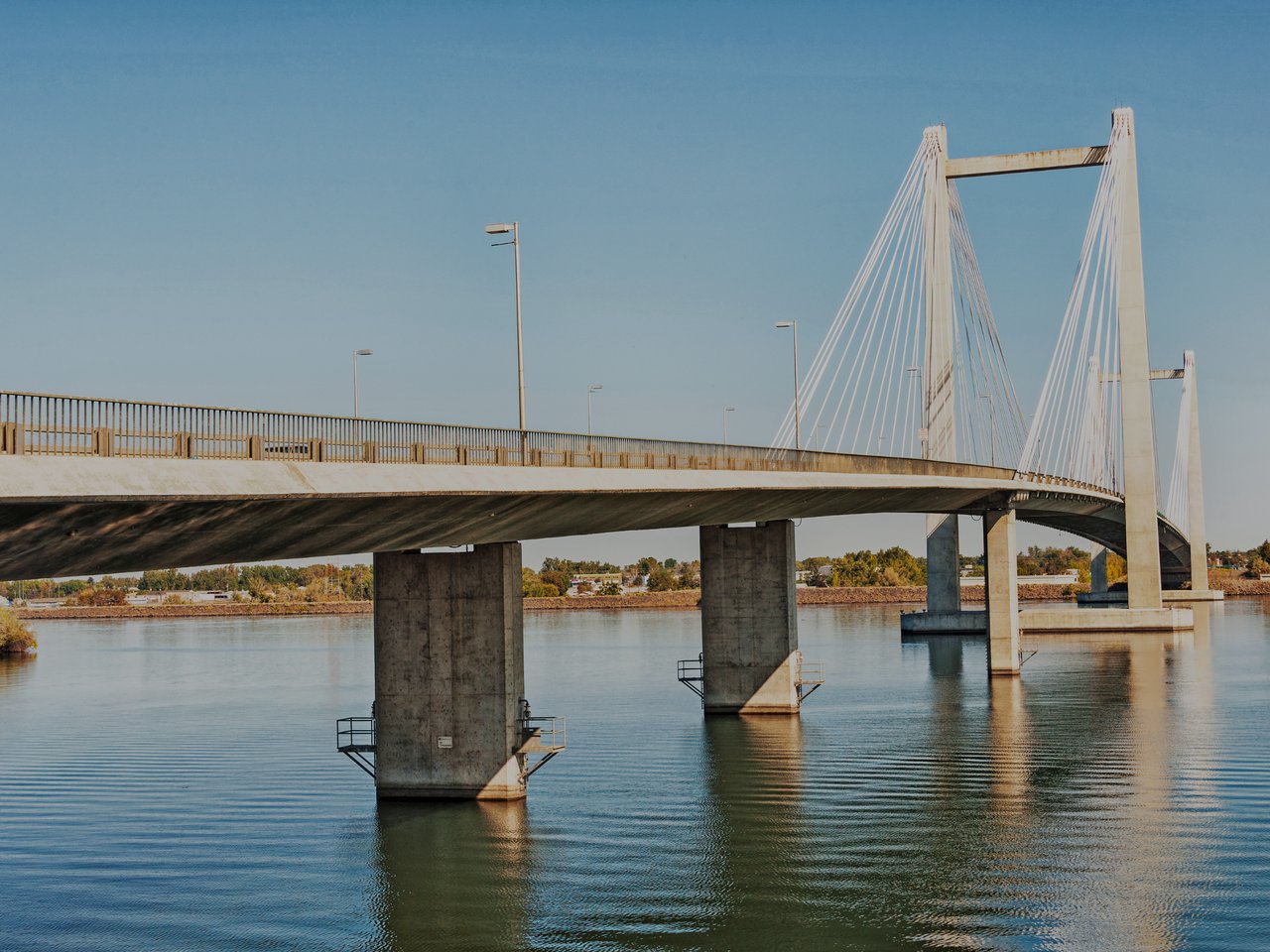
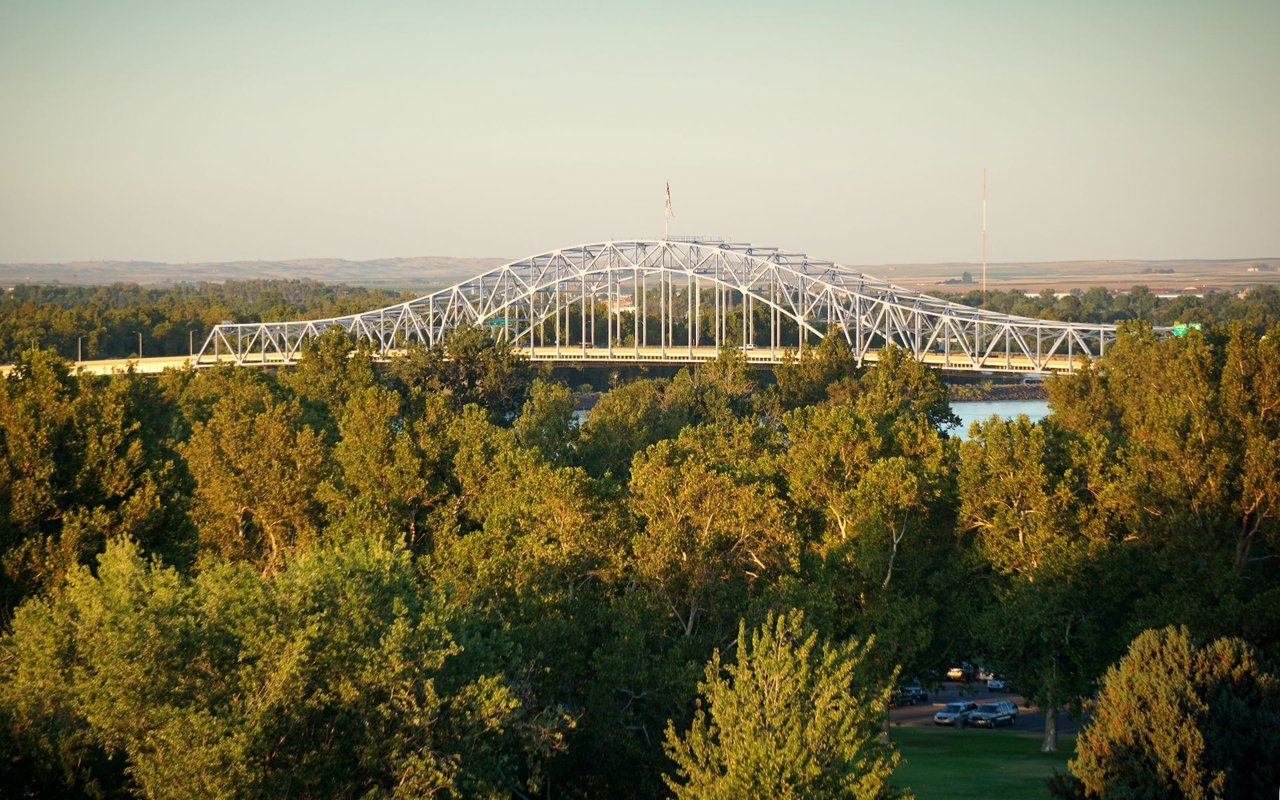
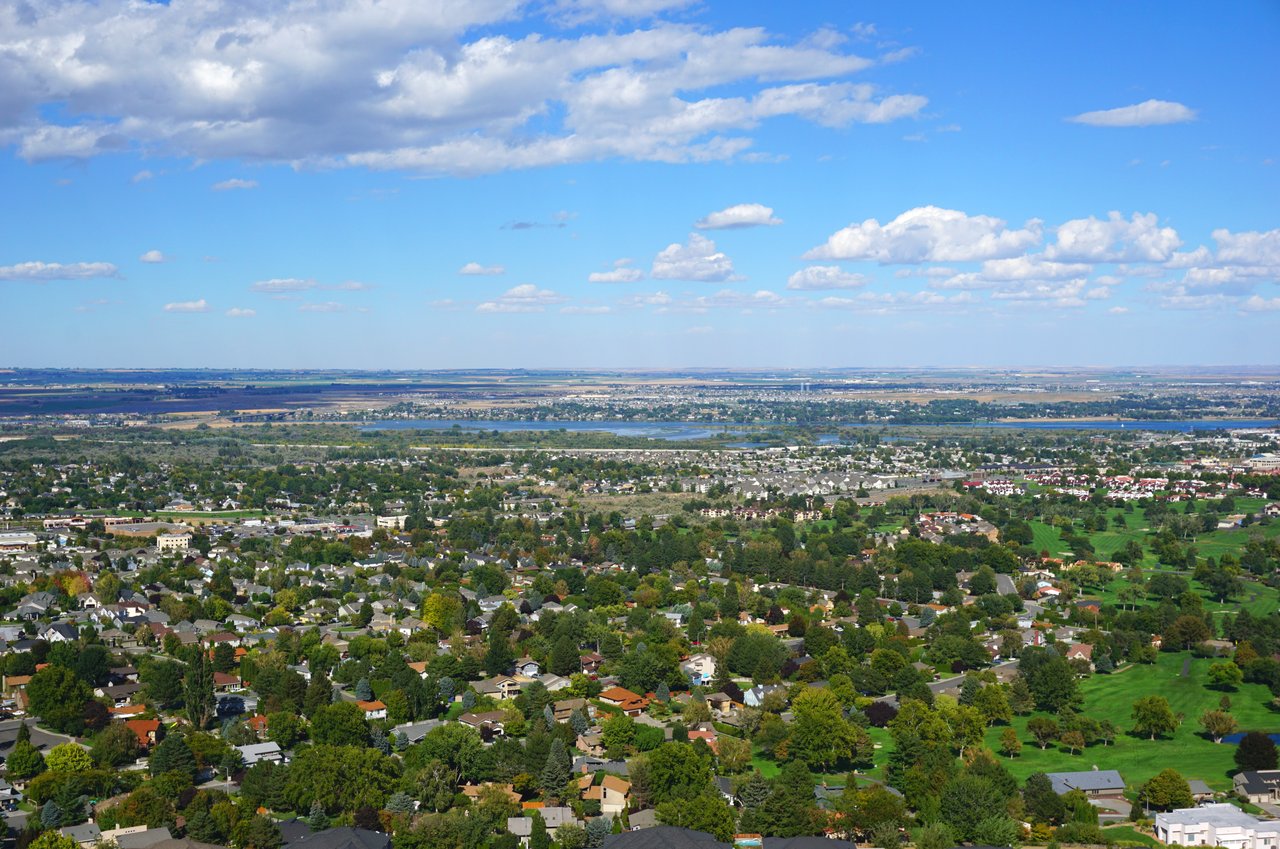
Pasco is one of the three cities that make up Washington’s Tri-Cities region, alongside Kennewick and Richland. Located at the meeting point of the Columbia and Snake Rivers in southeastern Washington, Pasco has become one of the fastest-growing communities in the region.
While Kennewick and Richland are often more widely recognized, Pasco plays an equally important role in the Tri-Cities economy and housing market. Many residents live in Pasco while working in nearby Kennewick or Richland, with commute times between the cities often under fifteen minutes.
For buyers exploring the Tri-Cities housing market, Pasco is often appealing because it offers a combination of affordability, new construction, and convenient access to the entire region.
Understanding the Tri-Cities Region
The Tri-Cities refers to the connected communities of Kennewick, Richland, and Pasco. Although each city has its own character, they function together as a single metropolitan area.
Residents regularly cross city lines for work, schools, recreation, and shopping. Someone might live in Pasco while commuting to Richland’s research campuses or Kennewick’s retail centers.
Pasco sits in Franklin County and serves as a transportation hub for the region thanks to Interstate-182, Highway 395, and the Tri-Cities Airport. This connectivity makes it easy for residents to move throughout the region and access nearby job centers.
For many homebuyers relocating to Eastern Washington, Pasco offers an opportunity to live in the Tri-Cities while often finding more attainable home prices.
Why People Move to Pasco WA
Pasco has experienced steady population growth in recent years as more people discover the Tri-Cities lifestyle. The city’s population has increased significantly since 2020 as new housing developments and regional job growth continue to attract buyers.
Many people move to Pasco for the same reasons they are drawn to the broader Tri-Cities area: strong job opportunities, sunny weather, and a cost of living that is more manageable than larger cities in Washington.
Major industries supporting the local economy include agriculture and food processing, energy and environmental cleanup work related to the Hanford site, healthcare, transportation and logistics, and education. These industries create a stable employment base that continues to bring new residents to the area.
The Tri-Cities also offers several higher education opportunities nearby, including Columbia Basin College and Washington State University Tri-Cities, both located within a short drive.
Pasco’s diverse population also contributes to its vibrant culture. The city has a strong Hispanic community, which influences local restaurants, businesses, festivals, and neighborhood life.
Lifestyle in Pasco
Life in Pasco centers around outdoor recreation, community events, and a warm, sunny climate.
The city sits along both the Columbia and Snake Rivers, giving residents easy access to boating, fishing, paddleboarding, and waterfront parks. Chiawana Park is one of the largest and most popular parks in the Tri-Cities and offers river access, sports fields, trails, and open green space for gatherings and recreation.
The Tri-Cities area is known for its dry climate and abundant sunshine. Pasco receives only about 8–9 inches of rainfall each year and experiences around 300 days of sunshine, making outdoor activities possible during much of the year.
Local residents enjoy a variety of community events and cultural celebrations throughout the year. Pasco hosts popular events such as the Cinco de Mayo Festival, farmers markets, and community fireworks celebrations. Throughout the Tri-Cities region, residents also attend annual events like the Water Follies hydroplane races and regional wine festivals.
Pasco WA Real Estate Market
Pasco has become one of the fastest-growing housing markets in the Tri-Cities. Homebuyers are drawn to the city because prices tend to be slightly lower than nearby Kennewick or Richland, allowing buyers to stretch their housing budget further.
As of early 2026, the median home price in Pasco is roughly between $410,000 and $420,000, which is generally lower than the median prices in Kennewick and Richland.
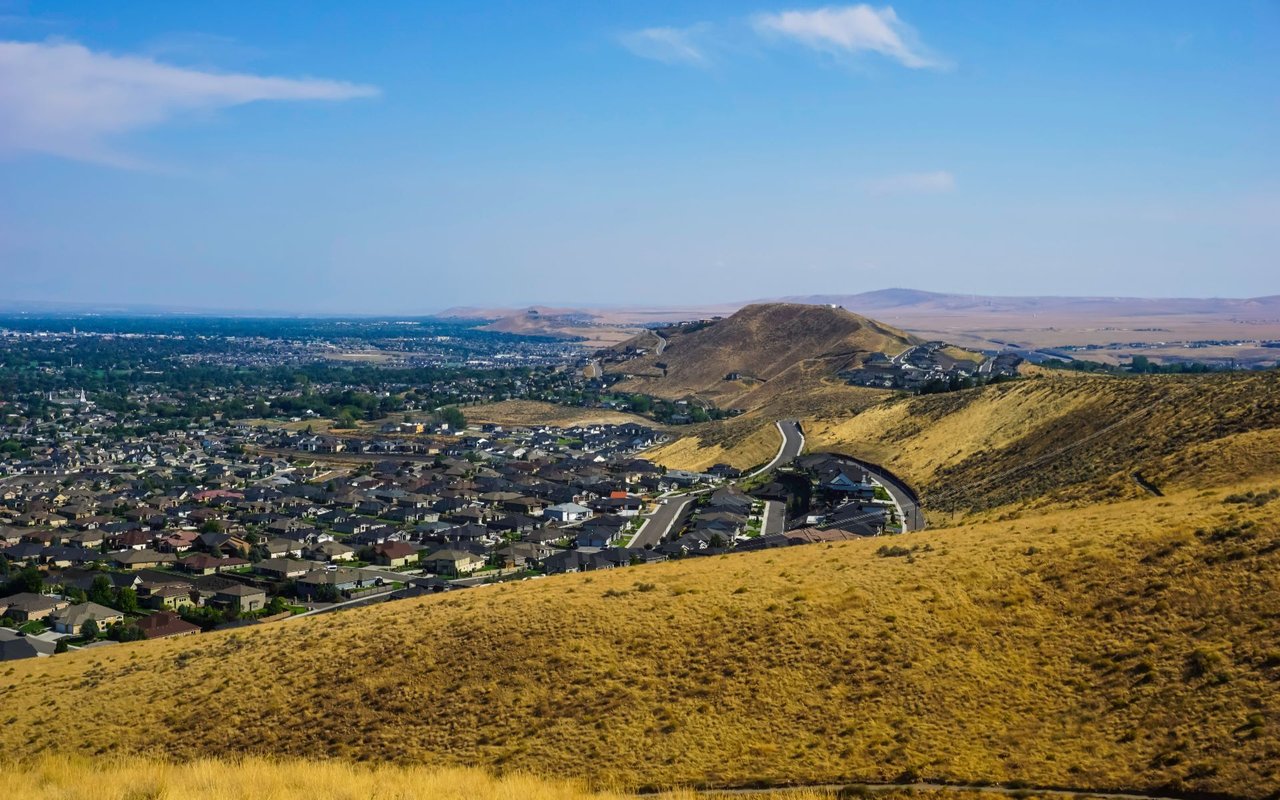
Housing options in Pasco include older established homes near downtown, newer suburban developments, and rural properties on larger acreage outside the city center.
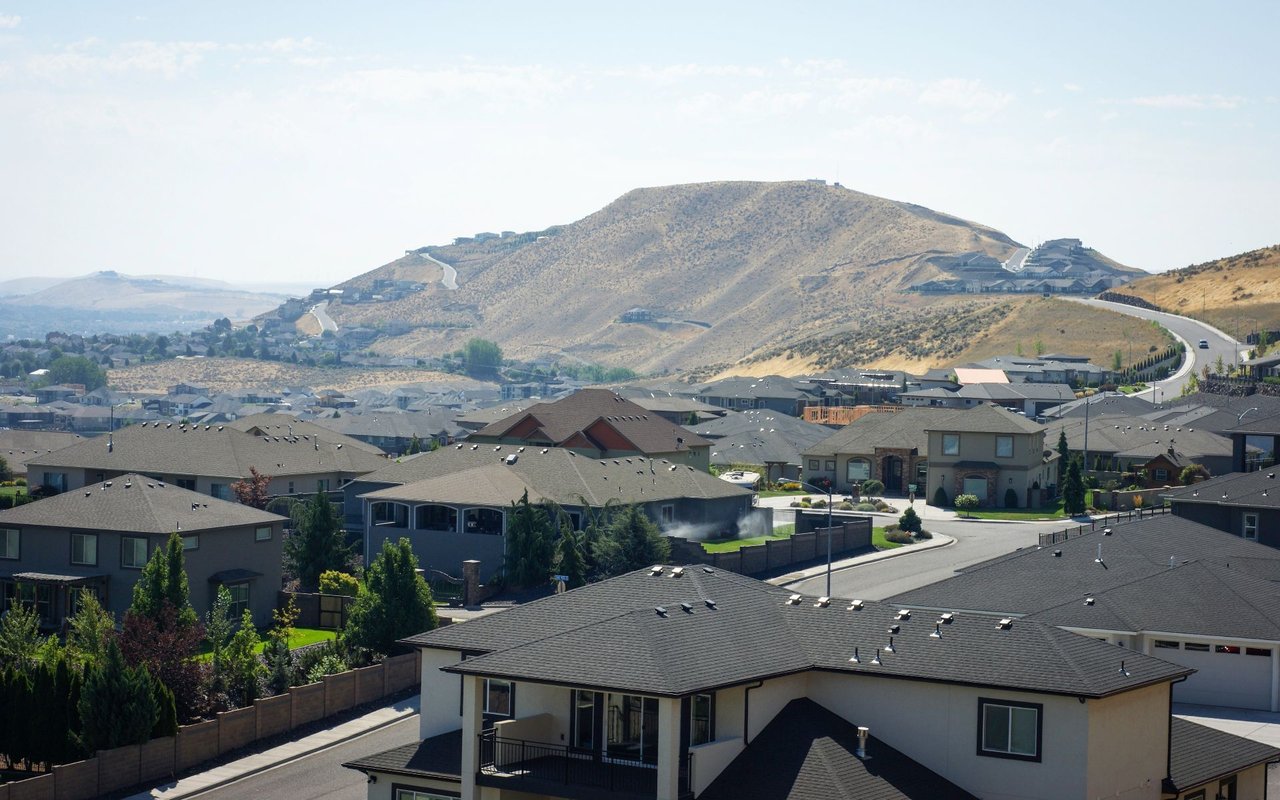
Over the past several years, new residential construction has played a major role in Pasco’s growth. Large developments in East and West Pasco continue to add modern homes designed for families relocating to the Tri-Cities.
Homes in Pasco typically spend about 40 to 60 days on the market, depending on price point and neighborhood demand.
For buyers looking to enter the Tri-Cities housing market, Pasco often offers one of the most accessible starting points.
Pasco Neighborhoods to Explore
Pasco includes a variety of neighborhoods, each offering different housing styles and lifestyles.
Central Pasco represents the city’s original core and includes older homes built between the 1950s and 1970s. These neighborhoods offer some of the most affordable housing options in the city and convenient access to downtown businesses and community amenities.
East Pasco is one of the fastest-growing areas and includes newer subdivisions with larger homes and modern community planning. Many families choose East Pasco because of its newer schools, parks, and residential developments.
West Pasco has experienced significant expansion over the past decade with multiple new subdivisions and master-planned communities. Homes in this area tend to be larger and newer, making the neighborhood popular with buyers relocating from other states.
North Pasco offers a more rural setting with larger properties and acreage homes. Buyers seeking more privacy or space often explore this area.
Is Pasco WA a Good Place to Live?
For many residents, Pasco offers a combination of affordability, sunshine, and community that is increasingly difficult to find in larger West Coast cities.
Families appreciate the city’s parks, school district, and growing neighborhoods. Professionals working throughout the Tri-Cities enjoy short commute times and access to regional employers. Retirees are drawn to the warm climate and relaxed pace of life.
Because Pasco is part of the Tri-Cities metropolitan area, residents benefit from the amenities of all three cities while often finding more affordable housing options within Pasco itself.
Buying or Selling a Home in Pasco
If you are considering buying or selling a home in Pasco, understanding the local housing market is an important first step.
As a Tri-Cities local real estate expert, Alessandra Dearing works with buyers and sellers throughout Pasco, Kennewick, and Richland. Her experience with the Tri-Cities housing market helps clients navigate neighborhoods, pricing strategies, and relocation decisions.